


Summer Business Casual for Men: The Complete Guide
TL;DR: Summer business casual for men is a collared shirt plus tailored trousers in lightweight fabric, with a soft jacket kept nearby for meetings. Swap heavy cotton twill for linen, seersucker, tropical wool, or a breathable blend, keep the palette light and neutral, and finish with leather loafers or clean derbies. Skip shorts, athletic sneakers, and anything sheer or sweat-stained. Fit and fabric weight matter more in July than any single garment on the list.
What this guide covers
- What counts as business casual for men in summer
- The hot-weather fabric guide (with comparison table)
- Core wardrobe pieces: shirts, trousers, jackets, shoes
- Summer color palettes that read professional
- 8 summer business casual outfit formulas
- Office, client meetings, and summer events
- What to avoid in summer business casual
- Shorts, jeans, and other gray areas
- Where to shop and what things cost
- Key takeaways
- People also ask
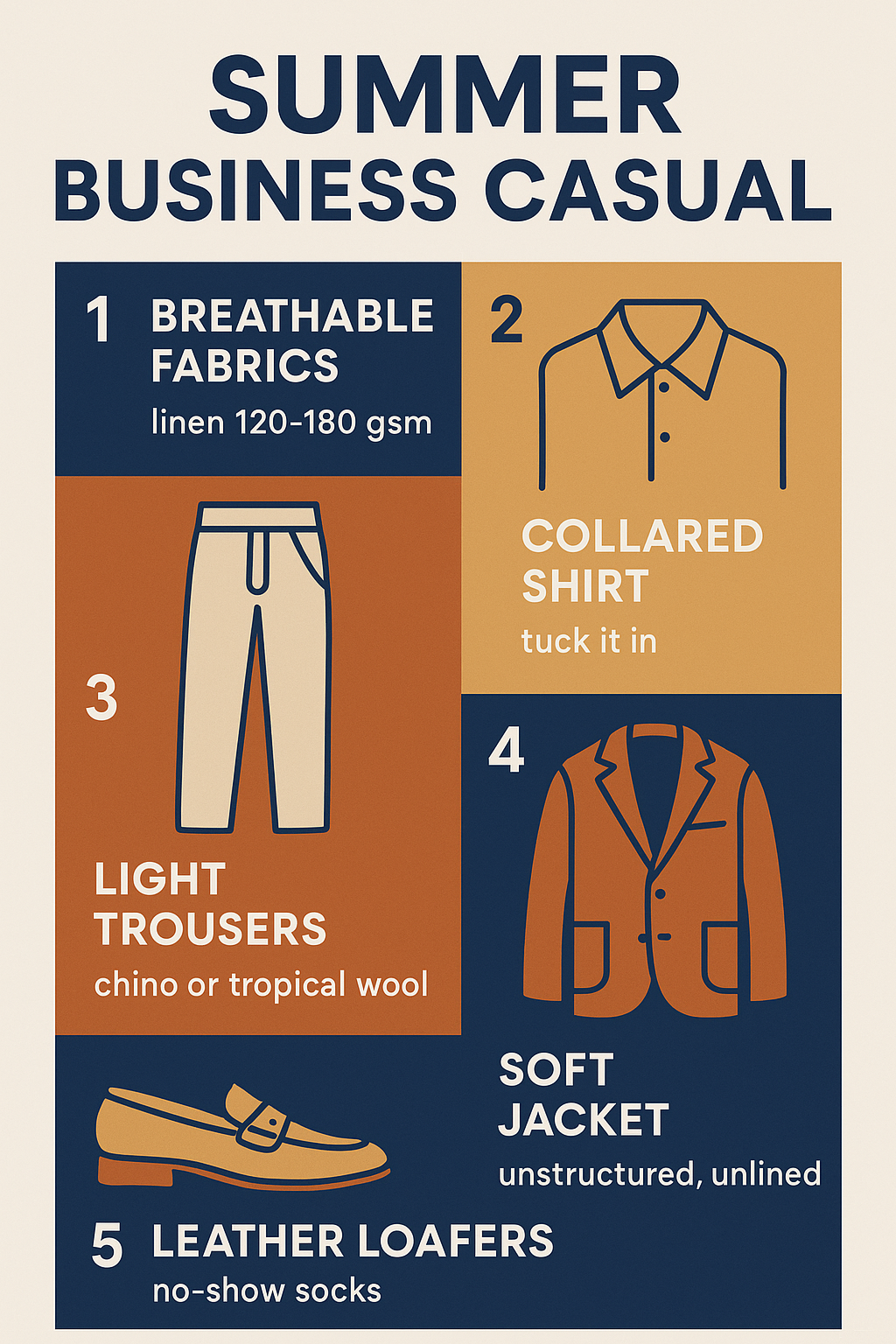
What counts as business casual for men in summer?
Business casual in summer means a collared shirt and tailored trousers made from breathable cloth, with a jacket available but not always worn. The dress code itself does not change between January and July. What changes is the weight of the cloth, the shade of the palette, and how many layers you carry.
The code is also the default in most offices that still have one. In Monster’s January 2025 poll of American workers, 43% said they had not worked in an office with a dress code in the past year, and among the 57% who did have one, 63% described it as business casual (Monster, Dressing for Work poll 2025). In other words, most men are dressing for a soft rule rather than a strict one, which is exactly why summer trips people up.
A workable test: could you sit across from a client without apologizing for what you have on, and could you walk four blocks in 88 degree heat without arriving damp? If both answers are yes, the outfit works.
The baseline formula
- Top: long or short-sleeve collared shirt, or a knitted polo in cotton, linen, or merino.
- Bottom: chinos, tropical wool trousers, or linen-blend trousers with a clean break.
- Layer: unstructured blazer, kept on a chair back or hook for meetings.
- Shoes: loafers, derbies, or unlined suede lace-ups with no-show socks.
- Hardware: a slim belt or suspenders, a leather-strap watch, nothing loud.
The hot-weather fabric guide
Fabric does more work than any other variable in summer dressing. Two pairs of navy trousers can look identical on a hanger and feel 15 degrees apart on a train platform, because breathability comes from weave structure and fiber, not color.
Three properties matter: air permeability (how freely air moves through the weave), moisture handling (how fast sweat leaves the skin), and recovery (whether the garment looks slept-in by 2pm). Linen wins on the first two and loses on the third. Tropical wool is the quiet all-rounder.
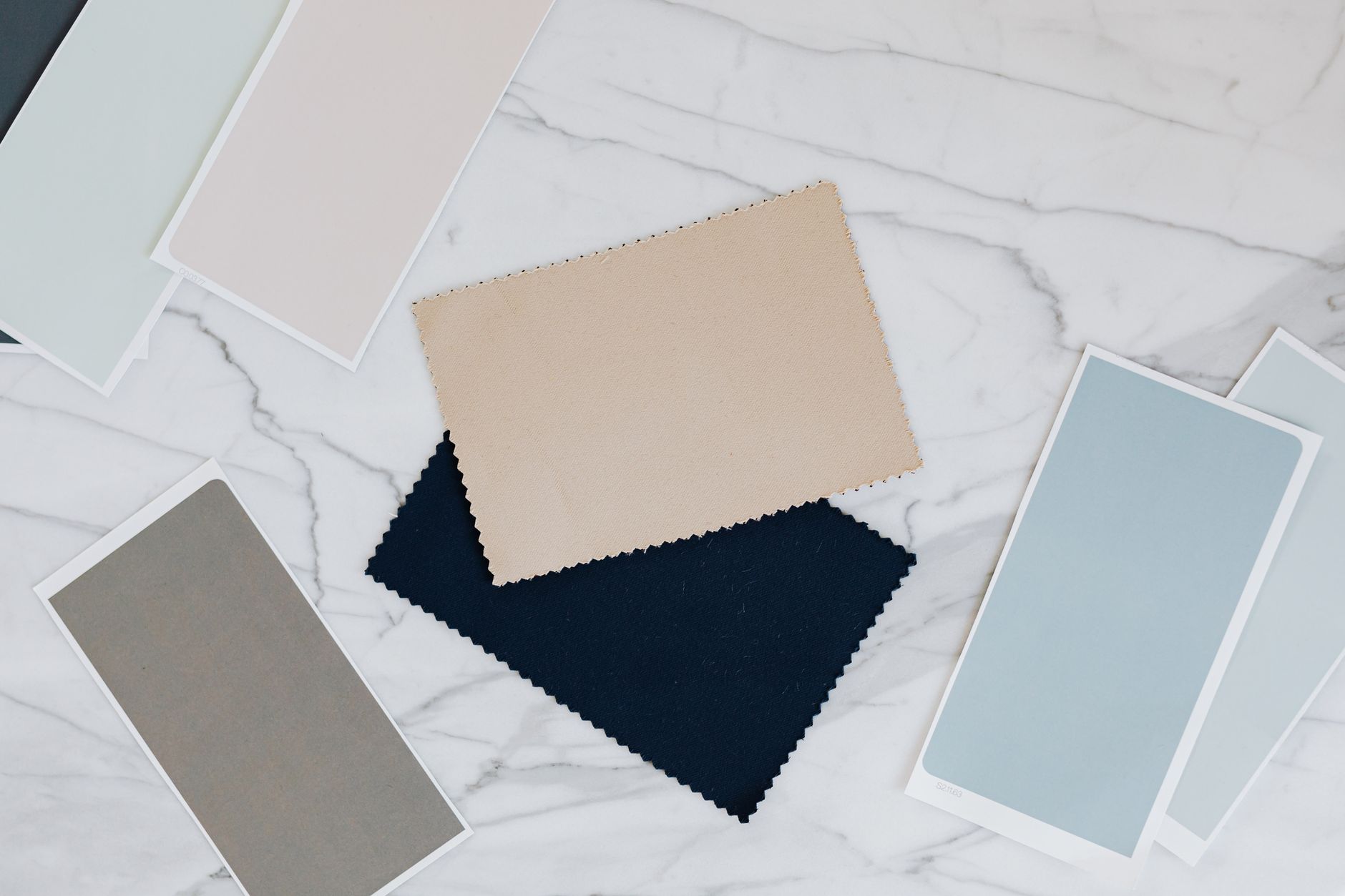
Fabric comparison table
| Fabric | Breathability | Wrinkle recovery | Typical weight | Best used for |
|---|---|---|---|---|
| Pure linen | Excellent | Poor | 120 to 180 gsm shirting | Shirts, relaxed trousers, unlined jackets |
| Linen-cotton blend | Very good | Fair | 150 to 220 gsm | Shirts and trousers for client-facing days |
| Seersucker | Very good | Good (pucker hides creases) | 140 to 200 gsm | Blazers, shirts, warm-weather suits |
| Cotton poplin | Good | Fair | 110 to 140 gsm | Crisp dress shirts under a jacket |
| Tropical wool / Fresco | Very good | Excellent | 230 to 310 gsm | Trousers and jackets that must stay sharp |
| Performance blend (poly-elastane) | Fair to good | Excellent | 200 to 260 gsm | Commutes, travel, long meeting days |
Why tropical wool beats cotton in humidity
Tropical wool is an open, high-twist worsted weave that lets air pass through the cloth instead of trapping it. Threads Magazine puts the range at roughly 7.5 to 10 ounces per yard, which is 230 to 310 gsm, light enough for July yet structured enough to hold a crease (Threads Magazine). Wool also absorbs moisture vapor before it feels wet, so a wool trouser reads dry longer than a cotton one on a humid afternoon.
Why seersucker still earns its place
Seersucker’s puckered stripes hold the cloth off the skin, so air moves in the gap and the fabric never plasters itself to you. Gentleman’s Gazette describes the pucker as lifting the fabric “off the surface of the skin, even when damp,” which is the entire engineering argument for the cloth (Gentleman’s Gazette). The bonus is practical: the texture is already irregular, so wrinkles disappear into it.
Fabrics to leave in the closet until October
- Heavy cotton twill chinos above 300 gsm. They hold heat and show sweat.
- Flannel, tweed, and anything brushed.
- Unbreathable 100% polyester shirting, which traps odor.
- Fully canvassed, lined jackets with shoulder padding.
Core wardrobe pieces for summer business casual
You need about a dozen pieces to run an entire summer. Buy fewer things in better cloth and repeat them without apology.
Shirts
Three shirt types cover everything: a white or light blue cotton poplin for meetings, two linen-blend shirts for ordinary days, and a knitted polo in cotton pique or merino for the hottest week of the year. Look for a collar with enough structure to stand on its own, because a floppy collar is what makes a summer shirt look sloppy.
Short sleeves are acceptable in most modern offices when the shirt is tailored and the sleeve ends mid-bicep, not at the elbow. If you are unsure, wear a long-sleeve linen shirt and roll it twice.
Trousers
Chinos in stone, navy, and mid-grey are the backbone. Add one pair of tropical wool trousers for days that involve a jacket and a client. Aim for a slight taper and a shoe-touching hem, since puddling fabric reads careless in warm weather.
Summer trousers are also where suspenders make a genuine functional case rather than a costume one. A belt cinches a band of fabric around the sweatiest part of your body, while braces hang trousers from the shoulders so the waistband can sit at its natural line without pressure. If you have never worn a pair with tailored trousers, start with this walkthrough on wearing suspenders properly, then check how to set the strap length so the X or Y sits flat between your shoulder blades.
Jackets
One unstructured navy blazer covers 90% of summer needs. Unstructured means no shoulder pad, minimal lining, and a soft chest canvas, so the jacket weighs less than a heavy shirt. A second jacket in seersucker or an oatmeal linen-cotton adds range for events.
Keep the jacket accessible rather than permanently on. Walking in with a jacket over the forearm and putting it on before the meeting is normal, professional behavior in July.
Shoes and socks
Loafers are the summer default because they ventilate at the ankle and skip the visual weight of laces. Penny loafers in mid-brown calf, suede tassel loafers, and a clean minimalist leather sneaker in white or off-white handle nearly every dress code. Unlined shoes are noticeably cooler than lined ones.
Wear no-show socks with real grip heels, or lightweight cotton-linen socks in a shade that bridges trouser and shoe. Bare ankles in a hard leather shoe wreck both the shoe and your feet.
Accessories that matter in heat
- Braces or a slim belt. Pick one. Wearing both at once is a well-known style error, explained in our piece on combining a belt with braces.
- Watch: swap a metal bracelet for a leather or textile strap. Metal gets slick in humidity.
- Bag: canvas and leather beats full grain leather in August.
- Sunglasses: a plain acetate frame in tortoise or black. Sport wraparounds break the outfit.
Summer color palettes that read professional
The summer palette lightens the base and keeps the contrast low. Winter’s charcoal and navy become stone, sand, light grey, and soft blue, with navy retained as the anchor for anything client-facing.
Three palettes that always work
- Coastal neutral: white shirt, stone trousers, mid-brown loafers, navy jacket. The safest professional look in hot weather.
- Soft contrast: light blue shirt, mid-grey tropical wool trousers, burgundy or dark brown shoes.
- Earth tones: oatmeal or olive shirt, sand trousers, tan suede shoes. Reads relaxed and creative without reading beachy.
Using one accent color
One accent per outfit is the rule. That can be a sage green polo, a rust knit tie, or a patterned pair of braces peeking under an open jacket. If two items compete for attention, one of them is wrong.
Pattern follows the same logic. A striped seersucker jacket takes a plain shirt. A patterned shirt takes a solid jacket. When you are pairing braces with neckwear, the shortcut is to match one shared color and let everything else stay quiet, which is covered in the guide to coordinating ties and braces.
8 summer business casual outfit formulas
Each formula below is a complete outfit you can build from the wardrobe above. Copy them exactly, then swap colors once you know what suits you.
1. Linen shirt, navy chinos, brown penny loafers
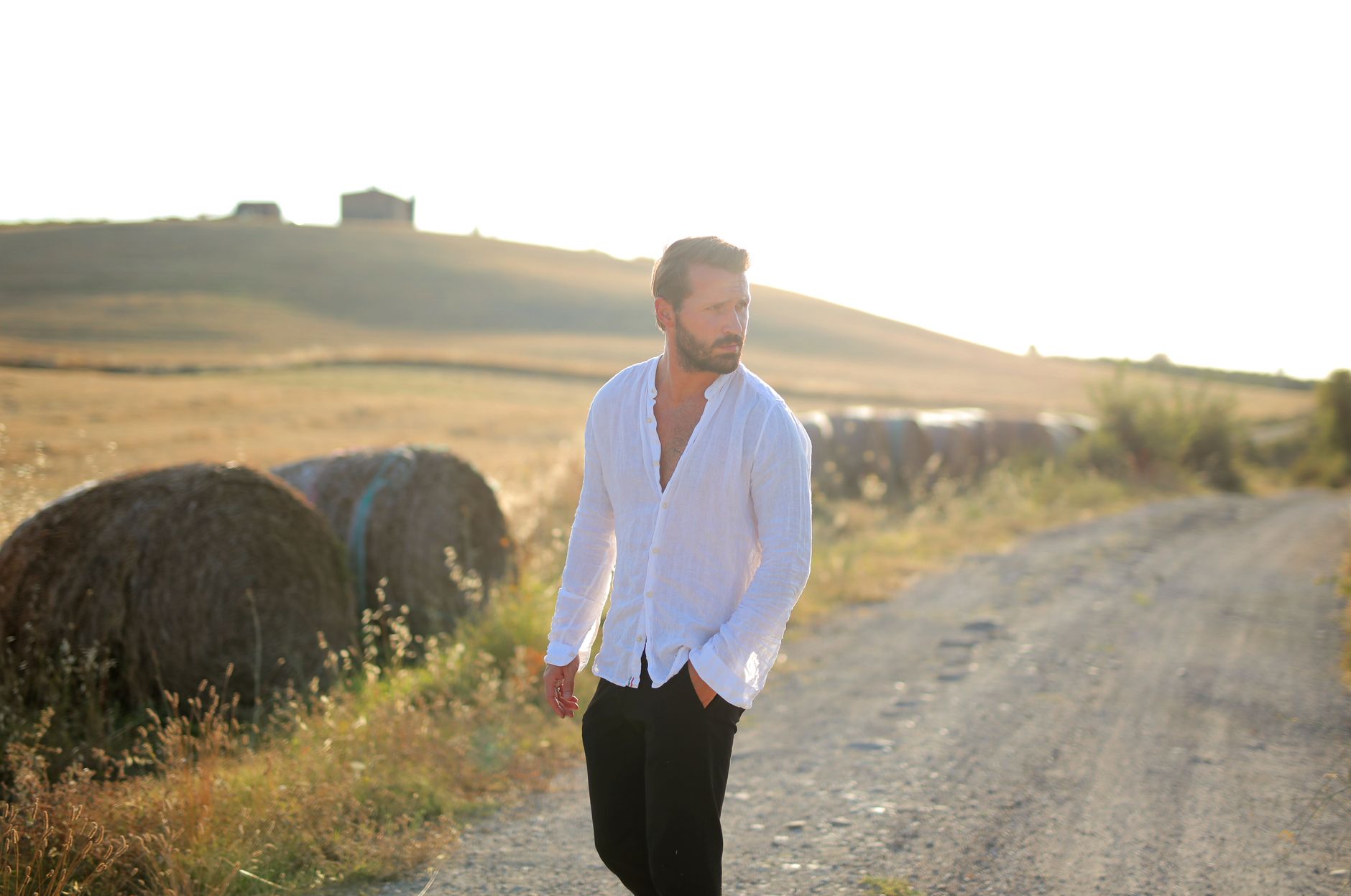
The default hot-day office outfit. A white or ecru linen shirt tucked into navy chinos, sleeves rolled twice, mid-brown loafers, no socks visible. It looks deliberate because the contrast is clean and the shoe carries the warmth.
2. Knit polo, tropical wool trousers, leather sneakers
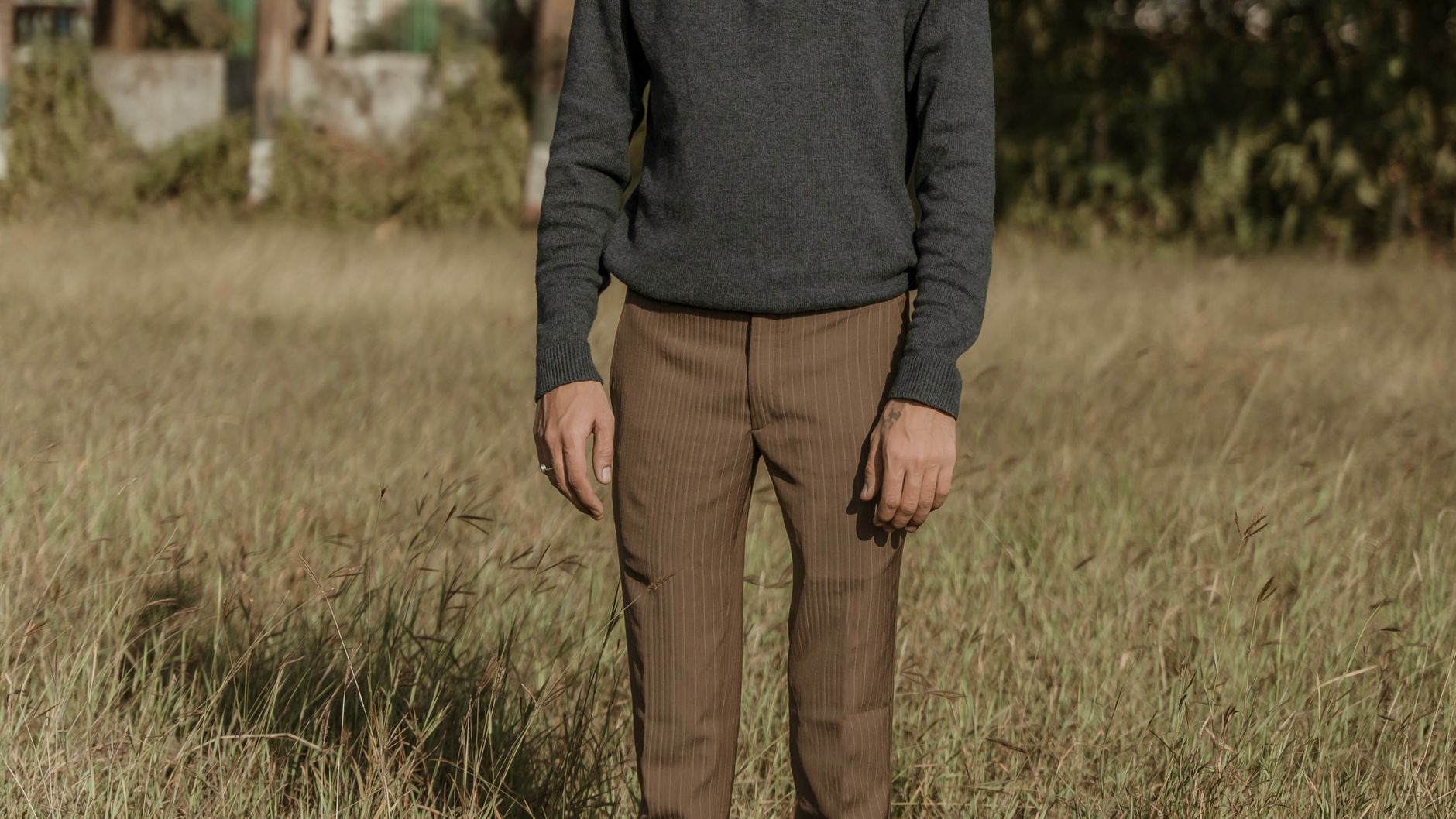
For offices where a shirt feels stiff. A fine-gauge merino or cotton polo in navy or olive, grey tropical wool trousers, minimalist white leather sneakers. The tailored trouser is what keeps the sneaker from tipping the outfit into weekend territory.
3. Seersucker blazer, white oxford, grey trousers
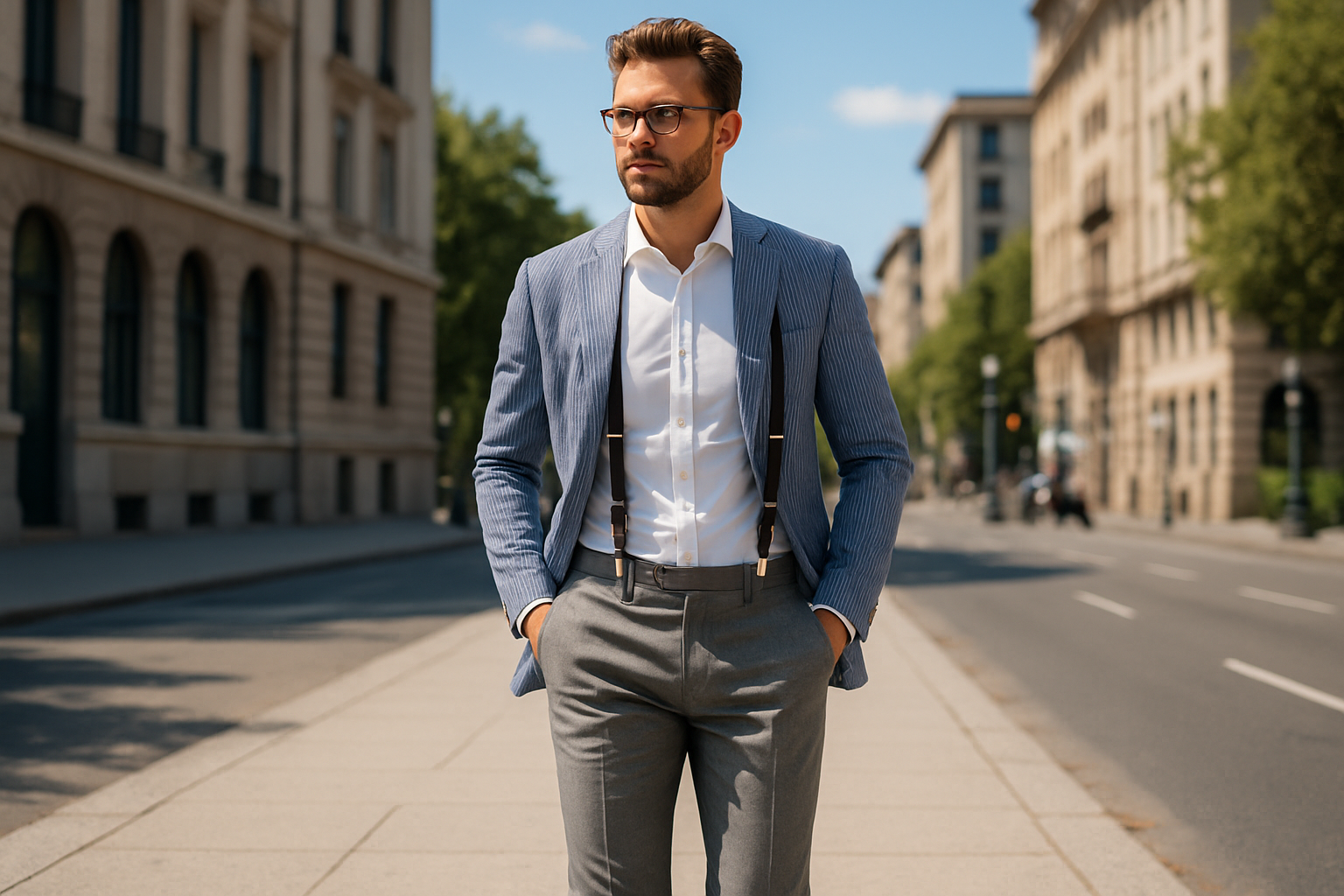
The presentation outfit. A blue-and-white seersucker blazer over a white shirt, grey trousers, dark brown derbies. Because the pucker hides creases, this survives a morning of travel better than a linen jacket.
4. Chambray shirt, stone chinos, braces
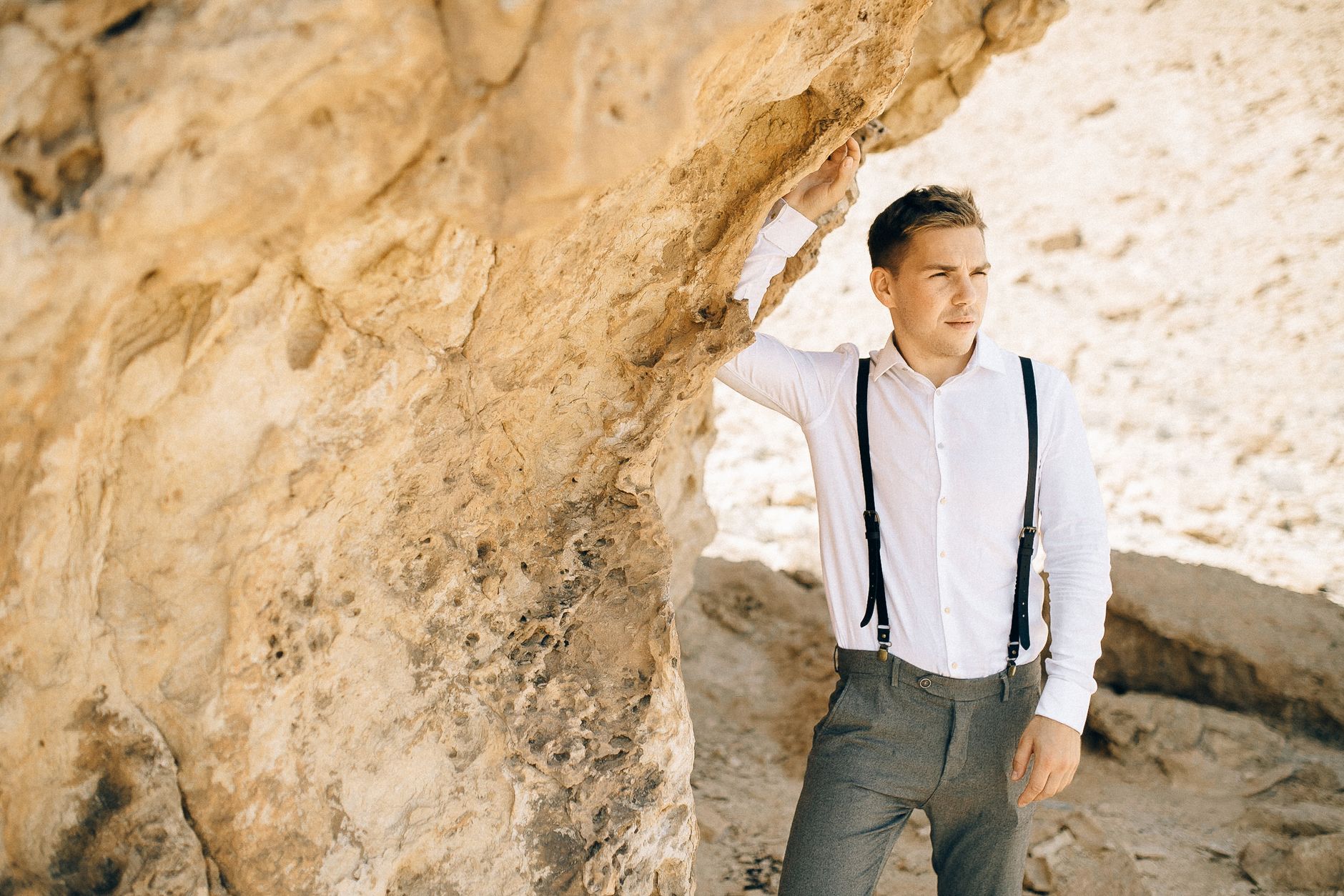
The belt-free version. A light chambray shirt, stone chinos, and slim braces in navy or brown leather-trimmed elastic. Nothing squeezes the waist, the shirt stays tucked, and the trouser line stays vertical all day. Choose a 1.25 inch width for tailored trousers rather than a work-weight 2 inch strap.
5. Short-sleeve camp collar, pleated chinos, loafers
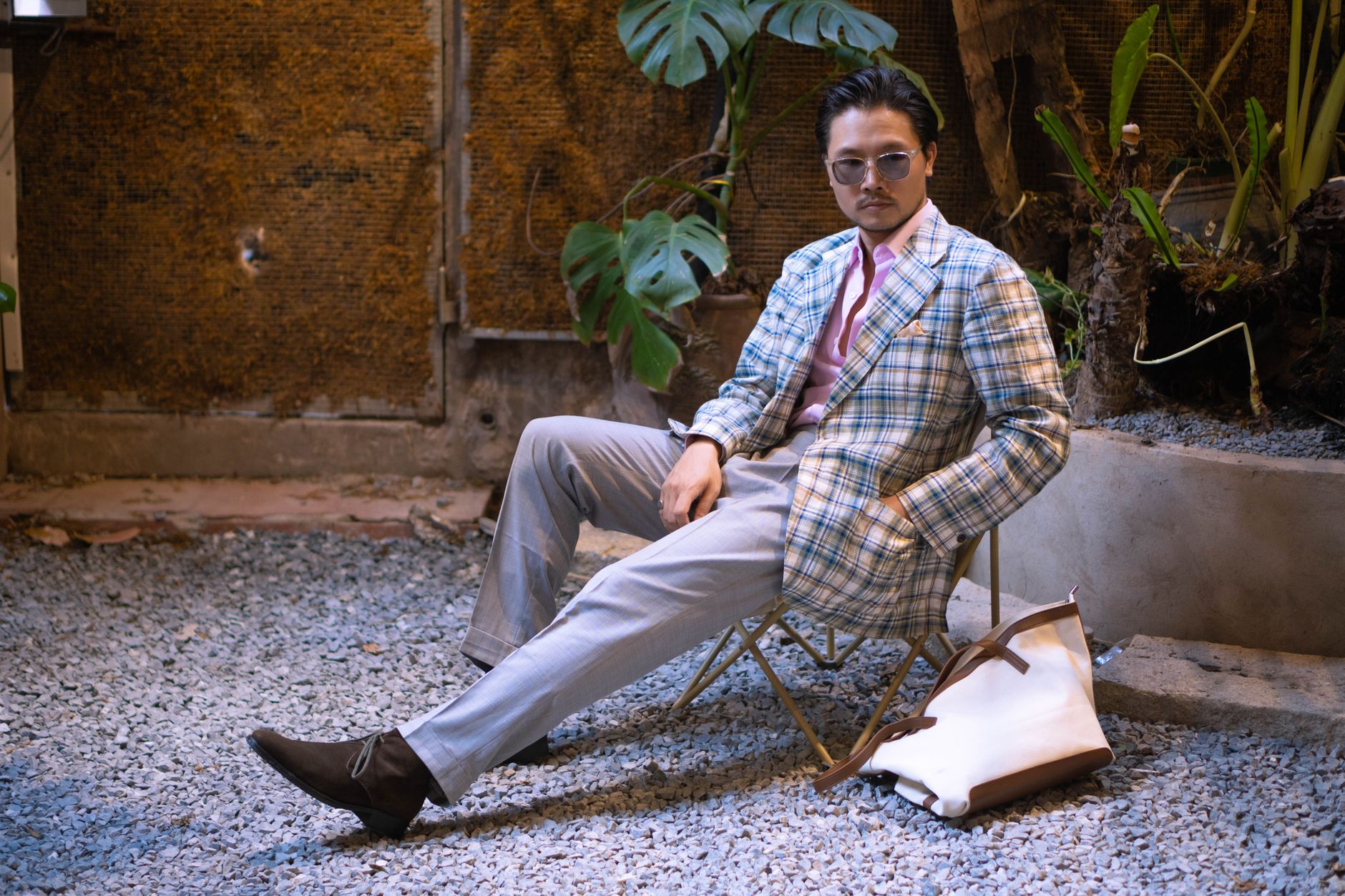
For creative offices and summer Fridays. A solid camp-collar shirt in a linen blend, single-pleat chinos with a fuller leg, suede loafers. Keep the shirt solid or micro-patterned, since a busy print pushes it toward vacation.
6. Unstructured navy blazer, linen shirt, tan trousers
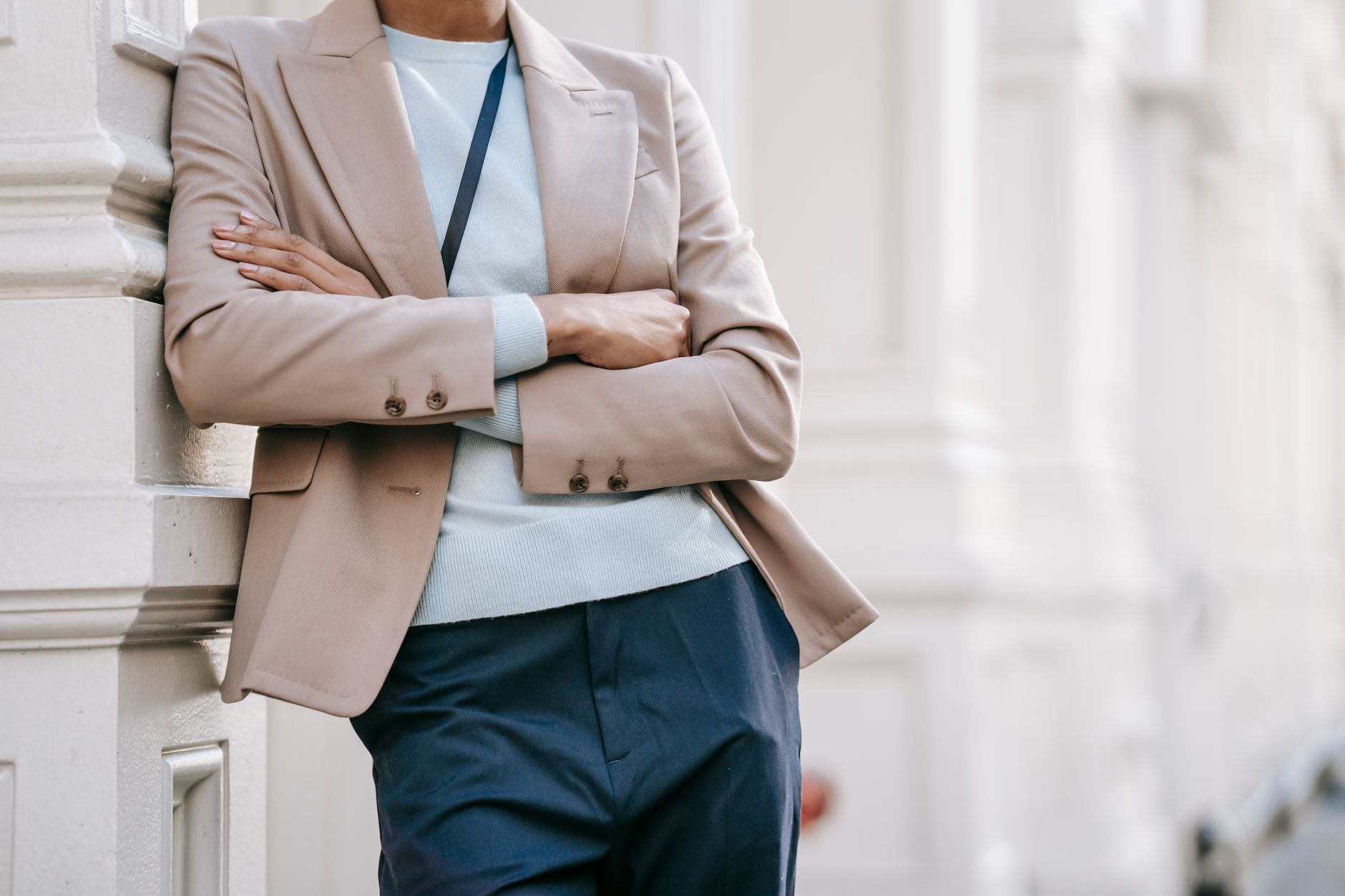
The client-meeting standard. Navy unstructured blazer, pale blue linen-cotton shirt, tan trousers, dark brown loafers. It photographs well, works in every industry, and needs no tie.
7. Rolled linen shirt, dark denim, suede chukkas
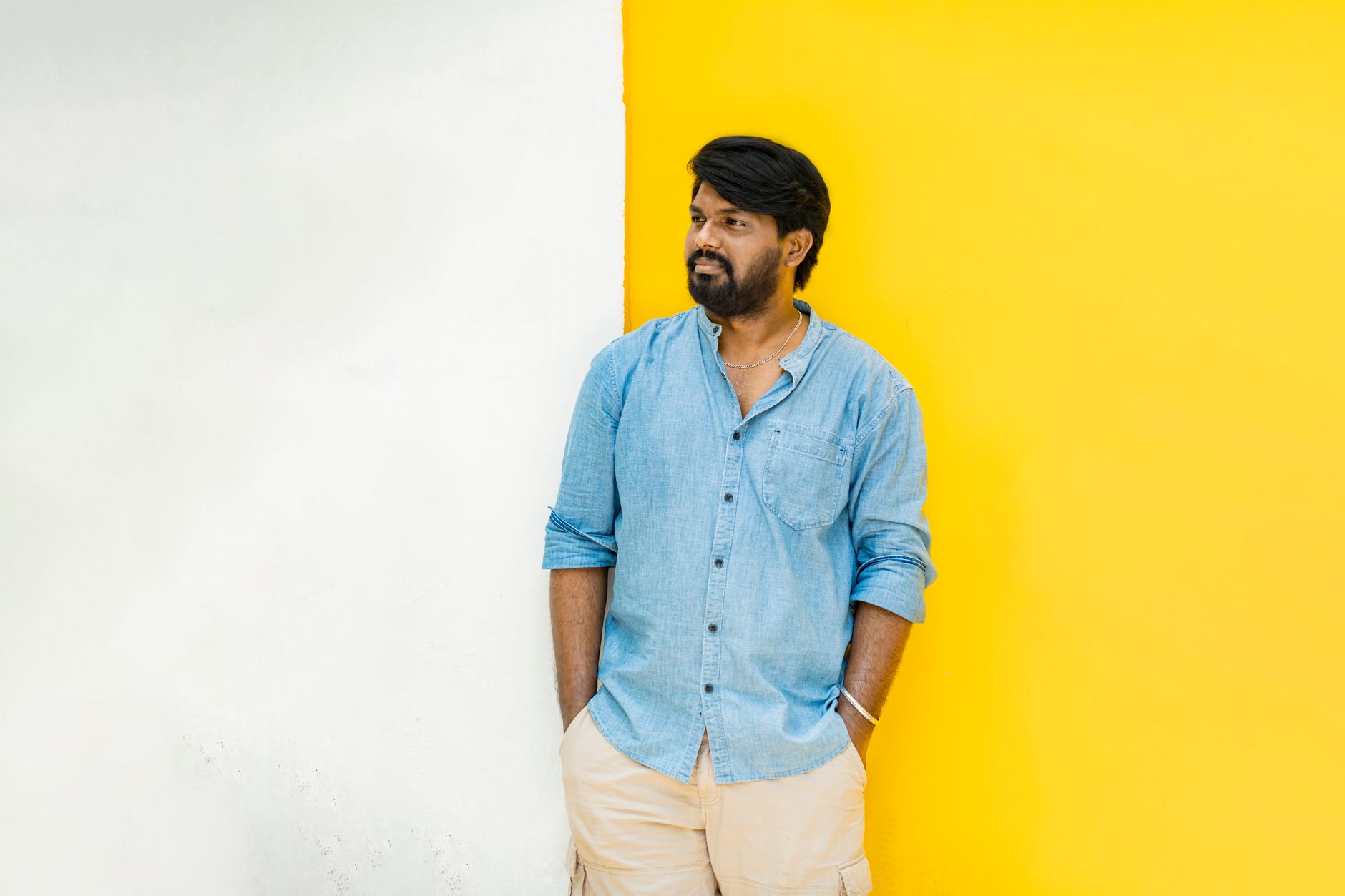
For offices where denim is allowed. Rigid dark indigo jeans with no fading or distressing, a tucked linen shirt, suede chukkas. Denim only works here when the rest of the outfit is tailored, and braces sit better on jeans than most men expect, which we break down in the denim and braces guide.
8. Waistcoat-free three-piece alternative for events
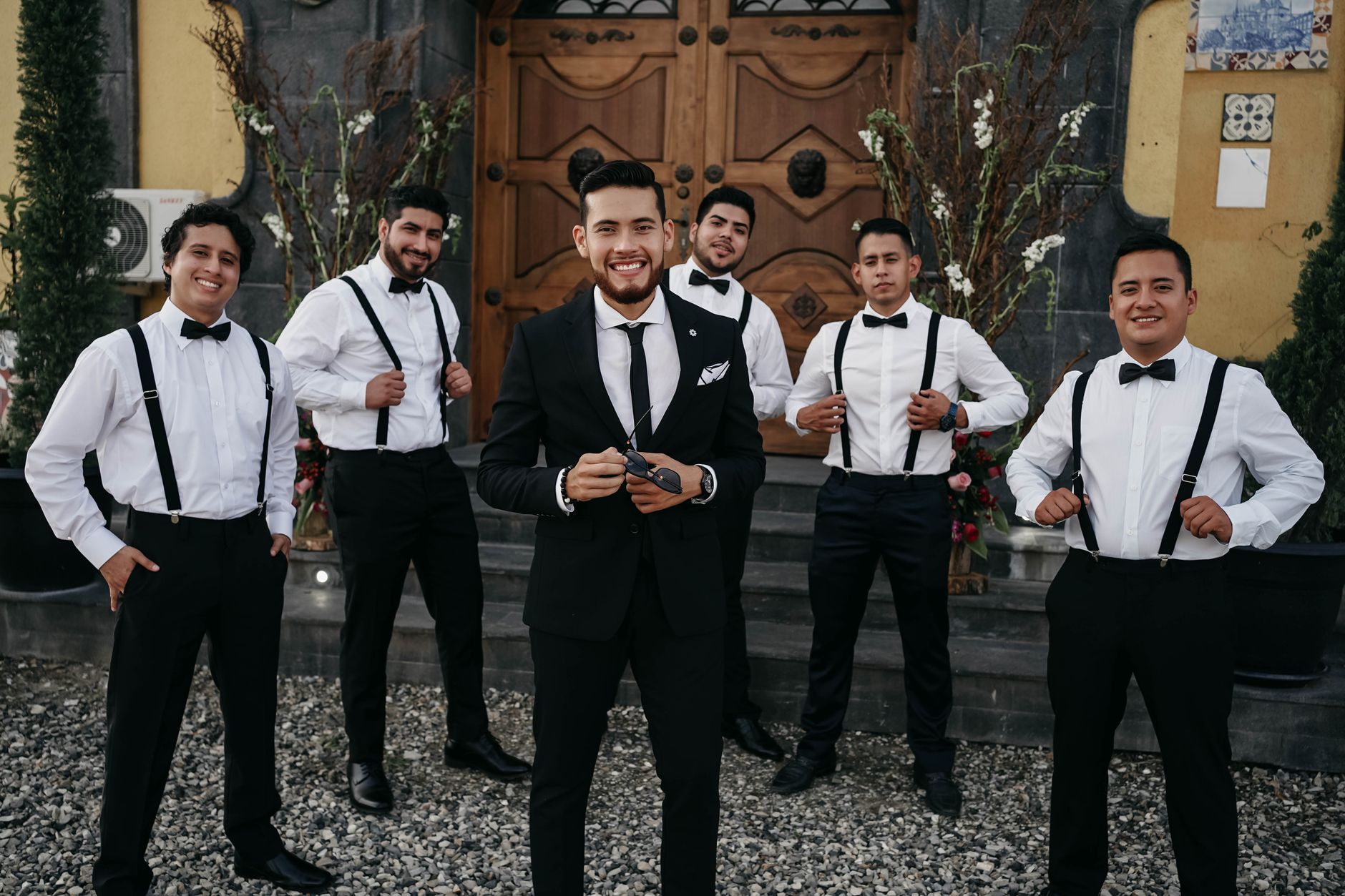
For an outdoor summer function with a business-casual invitation. Light grey or beige suit trousers, a crisp white shirt, patterned braces, and the matching jacket carried until the photos. It reads dressed without the heat penalty of a waistcoat, and if you do add the jacket, the rules for braces under tailoring keep it clean.
Office, client meetings, and summer events
The same wardrobe scales up or down by adding structure, not by adding items. Structure means a jacket, a harder shoe, and a tucked shirt.
Ordinary office day
Polo or linen shirt, chinos, loafers. No jacket needed unless the building runs cold air conditioning, in which case keep a light blazer at your desk permanently.
Client meeting or pitch
Add the unstructured blazer, switch to a poplin shirt with a firmer collar, and wear a leather shoe rather than a sneaker. Tropical wool trousers over cotton chinos here, because they will still look pressed after a 40 minute drive.
Conference or all-day event
Prioritize recovery fabrics and a second shirt in your bag. Seersucker or a wool-linen blend jacket handles a full day upright. Choose shoes you have already broken in.
Evening work function
Darker trousers, a jacket, and one considered accessory. This is where braces earn attention, since removing a jacket in a warm room leaves your shirt and waist fully visible. Before you commit, skim the etiquette rules so you are not the man wearing clip-ons with a dress shirt.
What to avoid in summer business casual
Most summer mistakes are about visible discomfort rather than the wrong garment. If the outfit shows sweat, sheer skin, or slippage, it fails no matter how good the pieces are.
- Sheer white shirts with no undershirt. A thin white linen shirt over bare skin becomes transparent in daylight. Wear a light grey or nude crew-neck undershirt, not a white one.
- Athletic sneakers and running shoes. Technical mesh and chunky midsoles read gym, not office.
- Flip-flops, slides, and open sandals. Non-negotiable in almost every professional setting.
- Distressed or faded denim. Even in denim-friendly offices, rips and whiskering are out.
- Graphic tees under blazers. A plain tee can work in creative settings, but the logo kills it.
- Heavy winter chinos. Reaching for the same trousers year round is the most common summer error.
- Over-accessorizing. Belt plus braces plus tie bar plus lapel pin is three items too many.
- Wrinkled-through linen. Some crease is charm. A shirt that looks slept in is not.
Clip-on braces on a dress shirt are a specific miss worth naming. Button-on braces with leather ends sit flatter and do not gape when you move, and the difference between a cheap pair and a well-made one is described in this breakdown of construction features.
Shorts, jeans, and other gray areas
Shorts are not business casual in most offices, and jeans are only business casual when they are dark, clean, and tailored. Everything in this section depends on your specific workplace, so read the room before the rule.
Can you wear shorts for summer business casual?
Generally no. Tailored shorts pass only in creative agencies, tech startups, and offices in genuinely tropical climates, and even then they need to be flat-front, mid-thigh at minimum, and worn with loafers and a collared shirt. If your workplace does allow them, the styling is closer to smart weekend wear, and we cover the details in suspenders with shorts.
Are jeans acceptable?
Dark rinse jeans with no distressing pass in relaxed offices when paired upward with a tucked shirt and leather shoes. Light wash, ripped, or baggy denim does not. A safer middle ground is a five-pocket trouser in cotton twill or tropical wool, which has the denim silhouette without the denim signal.
What about short sleeves and sneakers?
Short-sleeve shirts are fine when tailored and worn tucked. Sneakers are fine when they are plain leather, low profile, and immaculate. Both fail the moment they look like leisure wear rather than a deliberate choice.
Reading your own office
- Look at what the two most senior people wear on a Wednesday, not a Friday.
- Dress one notch above the median for your first month in a new role.
- When client-facing, dress to the client’s code, not your own.
Where to shop and what things cost
A complete summer business casual rotation costs between roughly $600 at the value end and $2,000 at the mid-premium end, depending on how much of it is natural fiber and how much is made-to-measure. Prices below are typical US retail ranges rather than quotes from any single brand.
| Piece | Entry range | Mid range | What the extra money buys |
|---|---|---|---|
| Linen or linen-blend shirt | $40 to $70 | $90 to $160 | Higher flax quality, better collar structure |
| Chinos | $50 to $80 | $110 to $180 | Lighter cloth, cleaner taper, finished seams |
| Tropical wool trousers | $120 to $180 | $250 to $450 | Mill-named cloth, curtained waistband |
| Unstructured blazer | $150 to $250 | $400 to $800 | Half canvas, natural shoulder, real horn buttons |
| Leather loafers | $100 to $160 | $250 to $450 | Goodyear welt, unlined uppers, resole-ability |
| Braces or suspenders | $20 to $35 | $45 to $90 | Elastic that recovers, leather ends, solid hardware |
Spend and save priorities
- Spend on: trousers, shoes, and the one blazer. These carry the outfit’s structure.
- Save on: polos, chinos in seasonal colors, and undershirts.
- Always budget for tailoring. A $60 hem and taper on a $90 trouser beats an untouched $300 pair.
Ready to lose the belt this summer? Braces keep your waistband loose, your shirt tucked, and your trouser line straight through a July commute. Browse every style we make and pick a slim pair in navy, brown, or grey to slot straight into the outfits above.
Key takeaways
- Business casual does not relax in summer. The fabric weight changes, the code does not.
- Linen breathes best, tropical wool holds shape best, seersucker splits the difference at 140 to 200 gsm.
- Twelve pieces run a whole summer: three shirts, three trousers, a polo, two jackets, and three pairs of shoes.
- Keep the palette light and neutral with exactly one accent per outfit.
- Shorts are out in most offices, dark clean denim is a maybe, plain leather sneakers are usually fine.
- Braces beat a belt in heat because nothing compresses the waist and air moves freely at the midsection.
- Tailoring on cheap trousers outperforms untouched expensive ones every time.
People also ask
Is a polo shirt business casual in summer?
Yes, when it is a fine-gauge knit with a structured collar and no visible logo. Pique cotton and merino polos in solid colors pass in most business casual offices, especially with tailored trousers and leather shoes. Loose, oversized, or athletic-cut polos do not.
Can you wear sneakers with summer business casual?
Plain leather sneakers in white, off-white, or grey are acceptable in most modern offices. They must be low profile, spotless, and worn with tailored trousers. Running shoes, mesh trainers, and anything with a chunky sole are not business casual.
Should I wear an undershirt in summer?
Yes, if you sweat at all or your shirt is light colored. A thin cotton or micromodal crew neck in light grey or a skin-matching tone absorbs sweat before it reaches your shirt and prevents show-through, and it is far less visible than a white undershirt.
How many summer business casual outfits do I need?
Five distinct outfits cover a working week without visible repetition. Built from three shirts, three trousers, a polo, and two jackets, you can rotate well past 15 combinations, which is more than enough for a full season.
What are the best summer business casual options for bigger builds?
Look for mid-weight cloth with a little structure rather than very thin fabric, since thin cloth clings. Flat-front trousers with a slightly higher rise, unstructured jackets cut with a longer lapel line, and braces instead of a belt all help, because braces let the waistband sit comfortably without cinching.
Do I need a jacket if the office is hot?
Not for ordinary days, but keep one at your desk. Air conditioned meeting rooms run cold, and an unstructured blazer weighs little enough to carry. For client meetings, wear it in and take it off once you are seated.
How do I stop my shirt from coming untucked in summer?
Braces solve it mechanically by holding the trouser at a constant height, so the shirt stops migrating out. Longer-tailed shirts and shirt stays also work. If you already own suspenders and find them slipping, follow the guidance in our dos and don’ts guide on strap placement and tension.


